


What Defines Reliable Wrapping Film Manufacturers for Modern Packaging?
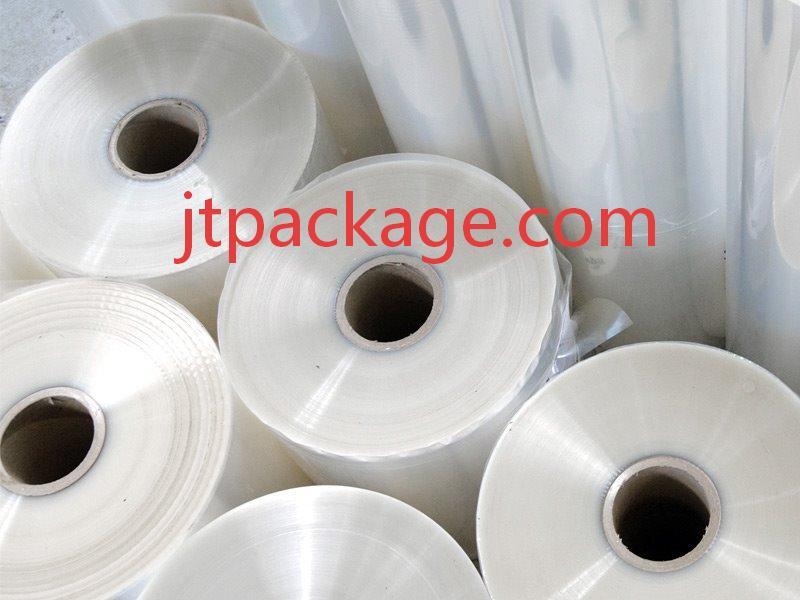
Behind every well-organized package is a manufacturing process that brings together material selection, technical planning, production management, and careful inspection. For businesses seeking flexible packaging materials, choosing suitable Wrapping Film Manufacturers is an important step in building a dependable supply arrangement. With an emphasis on packaging material solutions and business cooperation, jtpackage provides an opportunity for buyers to review different film options and consider their requirements for product wrapping, storage, and distribution.
Film manufacturing begins with understanding the intended application. Different industries handle products with different shapes, surface characteristics, and packaging requirements. Some businesses need transparent materials for retail presentation, while others focus on flexibility, sealing performance, or suitability for automated packaging equipment. These requirements influence material formulation, production planning, and the specifications offered to customers.
Raw material selection is an important part of the manufacturing process. The composition of a film affects its flexibility, clarity, thickness, strength, and processing behavior. Manufacturers need to consider how these characteristics work together when developing materials for particular packaging applications. Careful material evaluation helps ensure that product specifications correspond with the intended use.
Production technology also influences the finished material. Processes such as extrusion, cooling, stretching, and winding require coordinated operating conditions. Each stage contributes to the film's physical characteristics and overall consistency. Organized production procedures allow manufacturing teams to monitor material formation and identify potential issues during processing.
Quality inspection is another essential aspect of film production. Different packaging applications may require attention to thickness consistency, surface appearance, transparency, roll condition, and sealing characteristics. Inspection procedures help businesses evaluate whether the finished material meets the agreed specifications. Clear quality requirements also make communication between suppliers and purchasing teams more straightforward.
Customization can be valuable for businesses with particular packaging arrangements. Buyers may need different film widths, thicknesses, roll dimensions, or packaging formats depending on their equipment and product categories. Some projects may also involve specific labeling or packaging presentation requirements. Discussing these details during the inquiry stage helps manufacturers understand the purchasing objectives and assess available options.
Manufacturing coordination extends beyond the production floor. Order communication, material preparation, production scheduling, packaging, and transportation arrangements all influence the purchasing experience. Clear information about specifications and delivery expectations helps both parties organize their responsibilities. For international buyers, understanding documentation and shipping arrangements is also an important part of supplier evaluation.
Another factor worth considering is product development. Packaging requirements can change as businesses introduce new products or adjust their distribution methods. Manufacturers that maintain communication with buyers can discuss changing specifications and evaluate possible material adjustments. This exchange of information supports cooperation and helps businesses plan their packaging needs with greater clarity.
For wholesalers, distributors, and brand owners, supplier selection should involve more than comparing product descriptions. Reviewing material characteristics, production arrangements, inspection procedures, customization possibilities, and communication practices provides a broader understanding of a manufacturer's capabilities. These considerations help purchasing teams identify options that correspond with their commercial plans.
Sustainable packaging considerations are also becoming part of many purchasing discussions. Businesses may review material usage, packaging efficiency, recyclability information, and applicable environmental requirements when evaluating wrapping solutions. Understanding the available material characteristics and local disposal guidelines can support more informed packaging decisions.
Choosing a manufacturing partner is a process built on clear expectations and practical evaluation. From raw material preparation to finished roll packaging, every stage contributes to the product that eventually reaches the customer.
Your next packaging project deserves a closer look at the materials behind it. Visit https://www.jtpackage.com/product/ to browse product information, review available film solutions, and gather ideas for your sourcing plans. Open the door to a new packaging conversation and see where your next business opportunity may begin.

 English
 Arabic
 French
 Spanish
 Portuguese
 Turkish
 Dutch
 Italiano
 Russian
 Romaian
 Portuguese (Brazil)
 Greek
