


Why Does Changheng Fine Finish Blades Matter for Clean Cutting Results
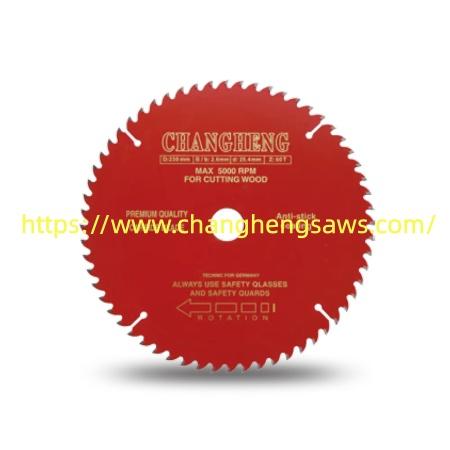
Fine Finish Blades are an important consideration for workshops where the appearance of a cut edge matters as much as the cutting process itself. In furniture production, cabinet making, interior decoration, and woodworking projects, the condition of an edge can influence how a product looks after assembly. A rough surface may require additional sanding or adjustment, while a clean cutting result can make subsequent work easier. This is why choosing suitable cutting equipment deserves attention before production begins.
Material selection is one of the first things worth considering. Different materials respond differently during processing. Solid wood, plywood, laminated boards, MDF, and aluminum profiles each have their own characteristics. Some materials are more likely to produce splinters, while others may generate heat or leave small chips around the cutting area. A suitable cutting solution should match the material rather than relying on a general-purpose option for every task.
For woodworking businesses, the relationship between material structure and cutting results is particularly important. Natural wood contains fibers that can separate during processing. Engineered boards may include multiple layers, adhesives, or decorative surfaces. These differences influence how a cutting tool interacts with the workpiece. Understanding the material before selecting equipment can help workshop managers plan their production processes more effectively.
Tooth geometry is another subject that deserves attention. The arrangement and shape of individual teeth influence how material is removed during operation. Different tooth profiles are developed for different processing requirements. Some configurations are intended for crosscutting, while others are used for ripping or working with specific manufactured materials. Choosing an appropriate tooth structure can help reduce unwanted surface damage and support a more predictable cutting process.
The body material also plays a role in everyday operation. High strength steel is commonly used as the supporting structure of circular cutting products, while tungsten carbide tips are applied in many TCT designs. These materials serve different purposes within the overall construction. The supporting body provides structural stability, while the carbide cutting edges interact directly with the workpiece. Their combination is an important consideration when comparing products for regular workshop use.
Equipment compatibility should never be overlooked during purchasing. A product may appear suitable for a particular task, but its compatibility with the machine remains essential. Buyers should check the equipment manufacturer's requirements, mounting arrangements, operating conditions, and intended material applications before placing an order. Proper matching helps avoid unnecessary installation problems and supports a more controlled working process.
Production habits also influence purchasing decisions. A small furniture workshop may process different materials throughout the week, while a specialized factory may handle similar workpieces in repeated production cycles. These operating environments have different requirements. Buyers should consider the frequency of use, the type of workpieces, the expected edge appearance, and the maintenance arrangements available in their facilities.
Another practical consideration is the working experience of operators. Equipment that is appropriate for the application can make routine tasks easier to organize. Operators can focus on workpiece positioning, feed control, and checking the results instead of constantly adjusting the process to compensate for unsuitable equipment. Regular inspection and correct operating practices remain important parts of workshop management.
Product design also influences storage, handling, and maintenance. Protective packaging helps reduce the possibility of accidental contact during transportation and storage. Keeping cutting products clean, dry, and properly separated can help prevent unnecessary damage before installation. Workshops should also establish inspection routines and replace worn or damaged components according to the equipment manufacturer's recommendations.
When comparing suppliers, buyers can look beyond a product description. Manufacturing experience, material selection, customization support, communication, and order requirements are all worth discussing. A supplier that understands different processing environments can help buyers identify suitable product configurations based on their actual applications. Clear communication is particularly useful for distributors and manufacturers managing different customer requirements.
Changheng focuses on carbide cutting products for woodworking, aluminum processing, and other industrial applications. Its product range includes TCT circular cutting solutions, with options developed for different materials and working requirements. The company also provides customization services, allowing customers to discuss material choices, tooth geometry, and product configurations according to their production needs.
Ultimately, selecting cutting equipment is about understanding the complete working process, from the material entering the workshop to the appearance of the processed component. Buyers who consider compatibility, construction, application requirements, and maintenance can make more informed purchasing decisions. Whether sourcing for furniture manufacturing, board processing, or aluminum fabrication, businesses can explore the product range and manufacturing services at https://www.changhengsaws.com/ when evaluating suitable solutions for their operations.

 English
 Arabic
 French
 Spanish
 Portuguese
 Deutsch
 Dutch
 Italiano
 Russian
 Romaian
 Portuguese (Brazil)
 Greek
