


Understanding Laboratory Procedures for Chemical Sample Preparation and Testing
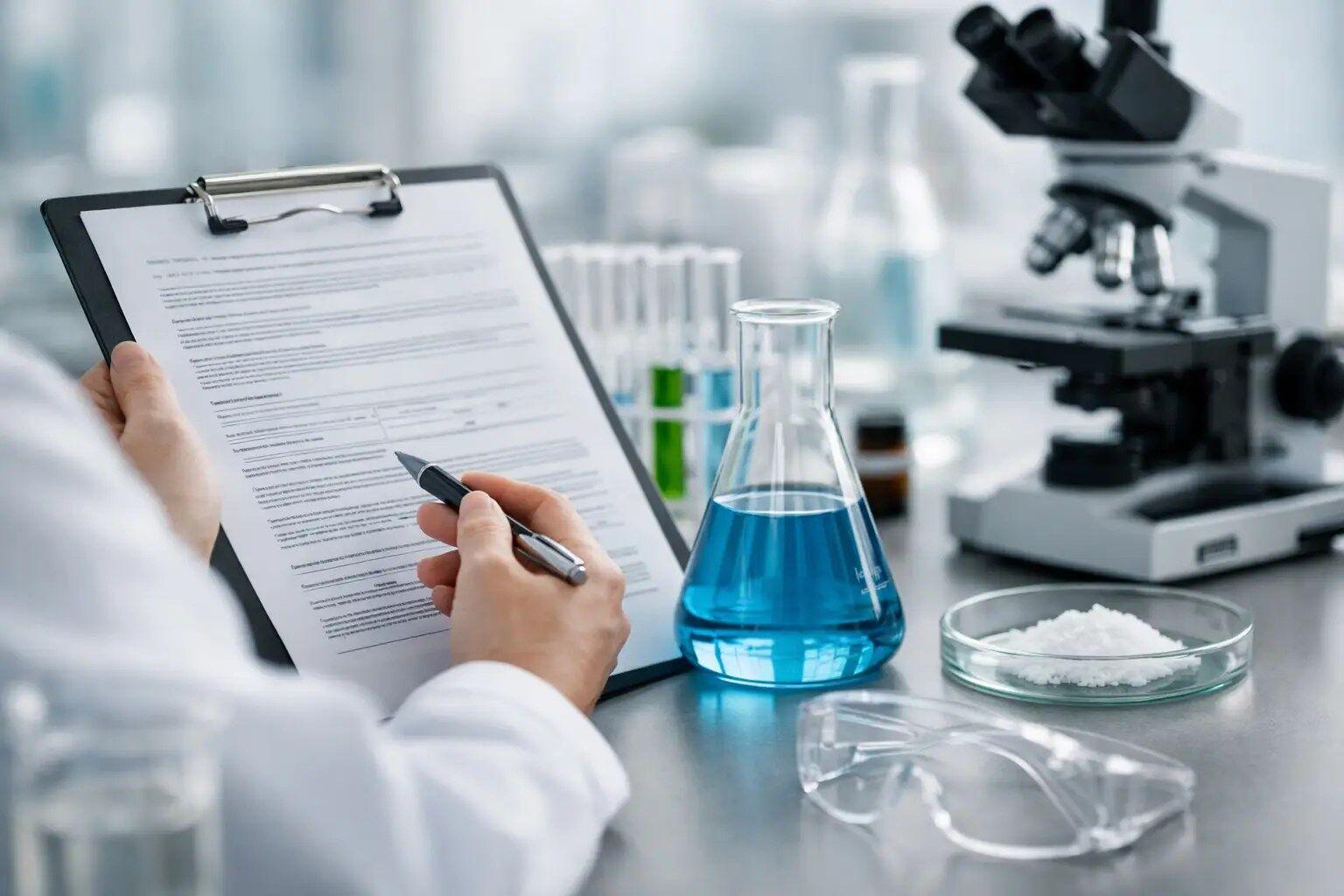
Laboratory testing plays an important role in understanding the composition, quality, and characteristics of different chemical materials. Accurate results depend on carefully planned procedures, proper equipment, and consistent sample preparation methods. Before testing begins, laboratory professionals review the sample details, identify the purpose of the analysis, and select suitable testing methods. Even when researching materials such as those listed under 4-CL-PVP crystal for sale, it is important to understand that reliable laboratory information comes from documented specifications, appropriate analytical methods, and verified sample records. Every sample should be handled according to established laboratory guidelines to maintain accuracy and prevent unnecessary contamination.
The first stage of laboratory preparation involves receiving and documenting the sample. Technicians record relevant information, including the sample identification number, date of receipt, packaging condition, and available background details. Proper labeling helps prevent confusion when several samples are being examined at the same time. Laboratories also maintain organized records to ensure that each sample can be traced throughout the testing process. Clear documentation supports quality control and makes it easier to review results when necessary.
Clean laboratory equipment is another essential part of chemical testing. Glassware, containers, measuring instruments, and other tools must be suitable for the intended analytical procedure. Equipment should be inspected regularly to identify damage, residue, or calibration issues that could affect the results. Maintaining a clean working environment also reduces the possibility of accidental contamination. Laboratory personnel follow approved cleaning procedures and use appropriate protective equipment according to the material's documented safety requirements.
Sample preparation methods depend on the type of material and the purpose of the investigation. In general analytical laboratories, preparation may involve controlled measurement, separation, filtration, or other validated processes. Each method must follow an established procedure rather than relying on personal assumptions. Accurate measurements are particularly important because even small inconsistencies can influence the final analytical findings. For unfamiliar or hazardous substances, preparation should only be performed by qualified professionals using validated protocols and suitable laboratory facilities.
Once preparation is complete, the sample can undergo appropriate analytical testing. Laboratories use different instruments and techniques depending on the information required. Common analytical approaches include chromatography, spectroscopy, and other validated measurement methods. These techniques can help qualified analysts examine chemical composition, identify relevant characteristics, and assess sample consistency. Instrument calibration and suitable reference materials are important for maintaining dependable measurements.
Quality control remains necessary throughout the entire testing process. Laboratories may use reference samples, repeat measurements, equipment checks, and documented review procedures to evaluate analytical reliability. Results should be recorded accurately, with any unusual observations or procedural variations clearly identified. Proper reporting also distinguishes measured findings from assumptions or information that has not been independently verified.
Understanding laboratory procedures for chemical sample preparation and testing highlights the importance of accuracy, organization, and professional responsibility. From initial documentation to final reporting, every stage contributes to the reliability of laboratory findings. Following established safety requirements, maintaining suitable equipment, and using validated analytical methods help laboratories produce consistent and meaningful results. These practices support responsible research, effective quality management, and informed scientific decision-making across different laboratory environments.

 Arabic
 French
 Spanish
 Portuguese
 Deutsch
 Turkish
 Dutch
 Italiano
 Russian
 Romaian
 Portuguese (Brazil)
 Greek
