


Can Chendiao CNC Intelligent Metal Cutting Band Saw Machine Improve Workflow
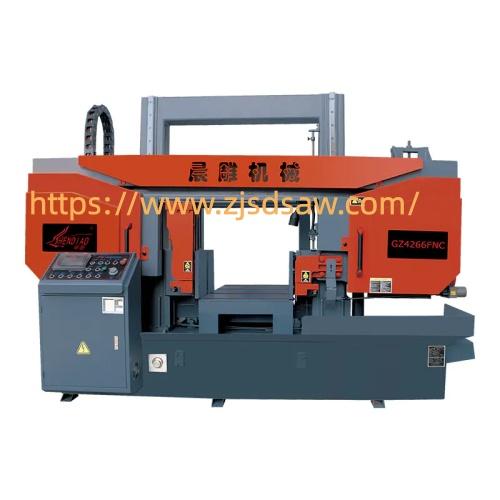
CNC Intelligent Metal Cutting Band Saw Machine brings together automated operation and practical metalworking requirements, offering manufacturers another way to organize cutting tasks within a production environment. As workshops handle different materials, order types, and delivery schedules, equipment selection increasingly involves more than the cutting process itself. Buyers also consider how machinery fits into existing workflows, how operators interact with the control system, and whether daily production arrangements can remain manageable as business needs change.
One important consideration is the relationship between material characteristics and processing methods. Metal materials vary in hardness, thickness, surface condition, and structural form. A workshop handling solid bars may have different requirements from one processing profiles, pipes, or other shaped workpieces. Before selecting equipment, buyers should identify the materials they regularly process and understand how these materials behave during cutting. This information helps establish suitable operating arrangements and reduces the risk of choosing equipment that does not match actual production tasks.
Material preparation also deserves attention. Workpieces should be positioned securely before processing, with suitable support for their shape and weight. Irregular profiles may require different positioning arrangements from standard solid stock. When the material is not properly supported, movement during processing can affect the finished surface and create additional work for operators. A practical production setup therefore considers the entire handling process, from loading and positioning to removal and inspection.
Another topic attracting interest in manufacturing is the role of automation in everyday workshop management. Automated equipment can help coordinate repeated operations and reduce the need for operators to perform every adjustment manually. However, automation should be evaluated according to the tasks it is expected to support. Buyers can examine how the control interface is organized, whether operating instructions are clear, and how easily workers can understand the production sequence. These details influence the experience of using machinery during regular shifts.
A well-organized control system can also make production preparation easier to manage. Operators may need to switch between different work orders, material types, and cutting requirements throughout the day. Clear operating procedures help workers understand which settings and handling steps apply to each task. For manufacturers with several operators, a consistent approach to machine operation can also support workplace training and communication between shifts.
Equipment layout is another part of the selection process that should not be overlooked. A machine must fit into the available workshop space while allowing room for material loading, finished workpiece collection, inspection, and routine servicing. Buyers should consider the direction from which materials enter the working area and how the equipment connects with other production activities. A thoughtful layout can help reduce unnecessary movement and make the surrounding workspace easier to manage.
The operator experience is equally important. A machine may have a range of automated functions, but its practical value also depends on how comfortably workers can use those functions. Accessible controls, understandable operating information, and convenient access to relevant working areas can all influence daily operation. Businesses should consider whether their existing team can adapt to the equipment and what kind of training or technical support may be needed during installation and continued use.
Maintenance planning should form part of the purchasing discussion as well. Cutting equipment works in an environment where metal particles, chips, and routine mechanical wear are part of normal operation. Regular cleaning and inspection help operators identify developing issues before they interrupt scheduled work. Buyers can ask about access to service points, the replacement of consumable components, and the availability of technical guidance. These questions provide a clearer picture of the responsibilities involved after equipment enters the workshop.
It is also useful to consider how production requirements may evolve. A business that currently handles a narrow range of materials may later receive orders involving different workpiece shapes or processing arrangements. Equipment evaluation should therefore include both current applications and realistic future needs. This does not mean selecting machinery with unnecessary functions. Instead, it means understanding which capabilities are relevant to the company and whether the equipment can fit into its expected production plans.
When comparing manufacturers, buyers can review product information, discuss application details, and ask how the equipment is intended to be used in different working environments. Clear communication about material types, workpiece dimensions, production habits, and workshop conditions helps both parties understand the project requirements. It also gives buyers a more practical basis for comparing equipment beyond appearance or general descriptions.
Chendiao focuses on metal processing equipment for manufacturing environments where workflow organization, operator convenience, and application suitability all matter. Selecting machinery is ultimately about finding an approach that fits the materials, people, and production routines within a business. Companies considering an automated cutting solution can visit https://www.zjsdsaw.com/product/ to review Chendiao products and discuss equipment options based on their actual workshop requirements.

 English
 Arabic
 French
 Portuguese
 Deutsch
 Turkish
 Dutch
 Italiano
 Russian
 Romaian
 Portuguese (Brazil)
 Greek
