


Gangnam Plastic Kitchenware Mould Design Ideas for Modern Homes
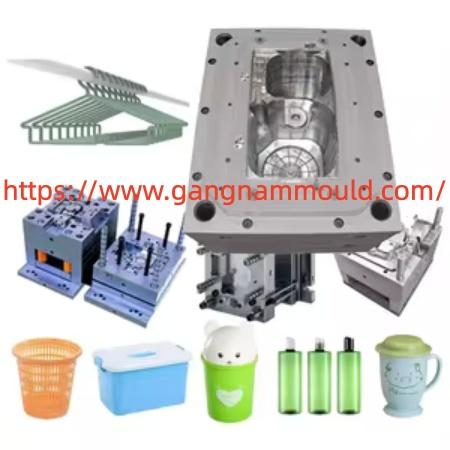
Plastic Kitchenware Mould development begins with understanding how people prepare food, organize their kitchens, and interact with everyday household accessories. From mixing bowls and food containers to kitchen organizers and serving utensils, plastic products appear in many parts of daily routines. Their design needs to balance practical functionality, comfortable handling, visual appeal, and manufacturing requirements. For manufacturers, understanding these expectations is an important step toward developing products that suit different household preferences.
Kitchen accessories are often used repeatedly throughout the day. A mixing bowl may be handled during food preparation, while a storage container may move between a countertop, refrigerator, and dining area. These different situations influence how designers approach product shapes, edges, grips, lids, and surface finishes.
Ergonomics is an interesting starting point for product development. Comfortable gripping areas can make utensils and containers easier to handle. Rounded edges may improve the feeling of contact, while carefully designed handles can support convenient lifting and pouring. Designers should also consider how a product feels when wet or when used with different kitchen tasks.
Material selection is equally important. Different plastic materials offer different combinations of flexibility, stiffness, impact resistance, heat behavior, and processing characteristics. Polypropylene is commonly considered for various household applications because of its versatility, while other suitable materials may be selected according to specific product requirements.
The intended use should guide material decisions. A container used for food storage may have different requirements from a utensil used during cooking or a decorative organizer placed on a shelf. Manufacturers should consider food contact requirements, cleaning methods, temperature exposure, and applicable market regulations when evaluating material options.
Color and surface appearance can also influence purchasing preferences. Some households favor neutral tones that coordinate with different kitchen interiors. Others may prefer bright colors that make accessories easier to identify or create a more playful visual style. Matte finishes, polished surfaces, and subtle textures offer additional possibilities for product differentiation.
However, appearance should work together with practical use. A decorative texture may influence cleaning convenience, while a glossy surface may show scratches or fingerprints differently from a matte finish. Designers need to evaluate these details in relation to the product application and the expectations of the intended customer group.
Kitchen organization is another subject that continues to influence household product development. Consumers often look for ways to arrange utensils, ingredients, food containers, and cleaning accessories. Products with coordinated shapes or compatible storage arrangements can help create a more orderly kitchen environment.
Functional details such as pouring lips, drainage openings, stacking features, and secure lid connections can also affect daily convenience. These elements should be incorporated into the product concept early. Adding them later may require changes to the structure, internal geometry, or tooling arrangement.
Manufacturing technology connects these ideas with the finished product. Injection tooling development involves careful consideration of cavity layout, gate placement, resin flow, cooling channels, venting, and ejection. Product features such as thin edges, curved handles, integrated hinges, and textured surfaces may introduce additional engineering requirements.
Wall thickness distribution deserves particular attention. Uneven sections can influence material flow and cooling behavior, potentially contributing to warpage or surface inconsistencies. Reinforcing ribs and suitable draft angles may support structural planning and facilitate product release from the cavity. Their arrangement should be evaluated in relation to the complete geometry.
Assembly requirements are also important for products containing several components. Storage containers with lids, utensils with separate grips, and organizers with removable sections may require carefully coordinated connection features. Engineers should consider fitting relationships, assembly access, and repeated handling during the development stage.
Mould flow analysis can provide useful insights before tooling production begins. It can help engineers evaluate material filling patterns and identify possible air traps, weld lines, or uneven cooling. These findings may support adjustments to the design and manufacturing strategy. Prototype evaluation can then provide additional feedback about assembly, appearance, and practical handling.
For buyers, choosing a manufacturing partner involves more than reviewing a product drawing. It is useful to discuss the intended application, material preferences, surface requirements, functional details, and production expectations. Buyers may also review engineering communication, design support, quality management, and the supplier approach to project coordination.
Gangnam works with customers on customized injection tooling projects, connecting product concepts with engineering and manufacturing requirements. For household accessories, this can involve discussions about ergonomic features, surface treatments, structural details, material compatibility, and tooling feasibility. Clear communication during development helps establish a shared understanding of the intended product.
As kitchen habits and household preferences continue to change, product manufacturers need to consider convenience, appearance, material suitability, and production feasibility together. Thoughtful development can help turn everyday product ideas into practical manufacturing projects. Businesses planning new kitchen accessory designs can visit https://www.gangnammould.com/product/ to review Gangnam product and manufacturing solutions and discuss their customized tooling requirements. Connecting design concepts with engineering considerations at an early stage can support a clearer path toward product development.

 Arabic
 French
 Spanish
 Portuguese
 Deutsch
 Turkish
 Dutch
 Italiano
 Russian
 Romaian
 Portuguese (Brazil)
 Greek
