


How Virtual Copies of Trains and Tracks Change Rail Decisions
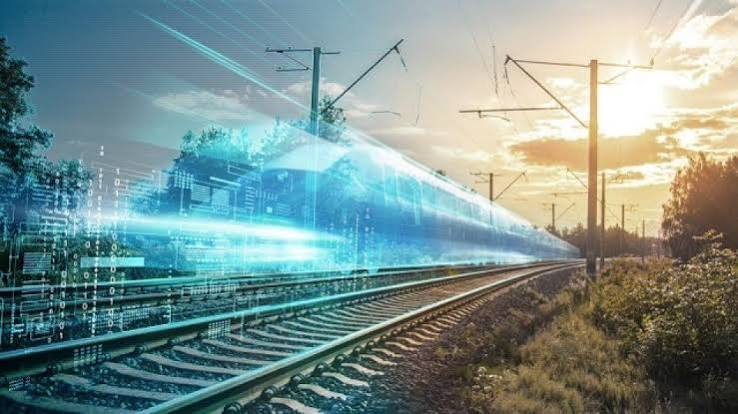
A railway digital twin is a virtual copy of tracks and stations plus signals and trains that updates from live data feeds. Engineers use the copy to plan works, test timetable changes and hand over structured asset data when a line opens. Unlike a static drawing, the twin mirrors wear and loads as they happen, which lets operators act before small faults become service failures.
A recent study by Markntel Advisor highlights that the global railway digital twin outlook was valued at USD 741 million in 2026 and is projected to grow from USD 922 million in 2027 to USD 3,018 million by 2033, registering a CAGR of 21.85% during 2027–2033. Rail secured 77% of funding for major upgrades across selected European transport projects, which widens the project base for design and asset-information twins.
Design Twins Let Engineers Test a Station Before a Single Brick Moves
Design twins earn their keep before construction, since planners test station layouts and signal placements plus junction flows inside the model. A clash found on screen costs far less than one found after concrete sets, and teams can compare several layouts in days. The model also stores asset data in structured form, so handover at opening carries a full record rather than scattered files.
Operators also use twins to test interventions, such as a timetable change or a weekend closure, without touching live services. The model shows knock-on delays across connecting lines, which helps planners pick the option with the least passenger harm. Once works finish, the same twin hands over structured data that maintenance crews use for years.
Live Twins Follow Trains Through Every Mile of Daily Operation
Operational twins stay live through the working day, fed by sensors on tracks and trains plus signals. When a sensor flags heat, vibration or wear beyond set limits, crews see the alert with its exact place on the line. Early warnings cut unplanned stops, since a part can be swapped during a planned possession rather than after a failure strands passengers.
A twin follows each asset across its service life, from first design sketches to final renewal. Mileage and repair history plus inspection notes sit in one place, which stops knowledge from leaving when staff retire. Managers then time renewals by condition instead of age alone, which stretches budgets across more miles of track.
Public Money for Rail Upgrades Opens Doors for Modeling Contracts
Public funding now pulls twins into more projects, as infrastructure managers renewing track and stations plus signaling increasingly specify virtual models. In 2025, CINEA selected 94 transport projects for Connecting Europe Facility grants. Rail transport secured 77% of the funding for major upgrades across core and extended networks, which turns each funded upgrade into a buying point for modeling work.
Cohesion countries host most of this rail spending, which widens the addressable project base beyond wealthy capitals. Smaller networks gain the same planning tools as large ones, since a twin scales from one station to a whole corridor. Procurement teams can then compare bids on modeled outcomes rather than paper promises, which sharpens value for public money.
Asian High Speed Lines Give Twins a Vast New Testing Ground
Asia supplies the second engine, as new high-speed and mainline corridors arrive designed with digital models from the outset. China State Railway Group reports operating high-speed mileage of 50,400 km in 2025, the largest such network in the world. Railway fixed-asset investment reached USD 65.7 billion in the first seven months of 2026, which keeps a large pipeline of lines entering design and operation.
India adds further weight, as the Government of India stated in 2026 that the proposed high-speed rail network is expected to attract investments of around USD 165 billion. Sustained capital spending on both networks supports long-term uptake of design twins and construction twins plus operational twins among infrastructure managers and train operators. Each new line thus enters service with a live twin attached from day one.
What Railway Twins May Deliver Once Every Line Carries a Copy
Railway twins ahead will likely spread from flagship high-speed lines to metro and light rail systems in smaller cities. Cheaper sensors and cloud hosting may lower entry costs, while shared data standards let neighboring networks swap models. The line that opens with a twin already in place will run with fewer surprises, and that promise will keep buyers returning.

 English
 Arabic
 French
 Spanish
 Portuguese
 Deutsch
 Turkish
 Dutch
 Russian
 Romaian
 Portuguese (Brazil)
 Greek
