


Why Choose Maotian Twin Hammer Air Impact Wrench for Workshop Repairs
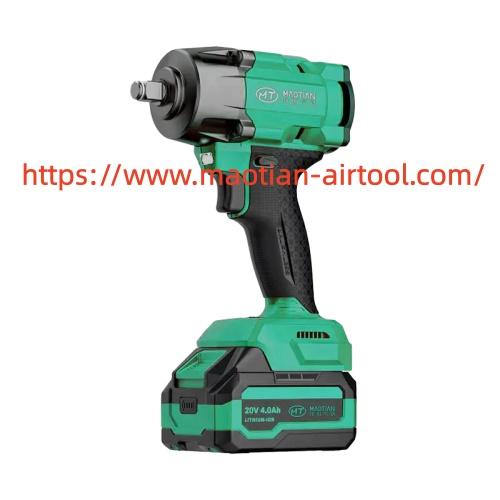
Twin Hammer Air Impact Wrench is a relevant subject for automotive technicians, industrial maintenance teams, and mechanical assembly professionals who regularly work with secured fasteners. In busy workshops, fastening operations can involve different materials, connection conditions, and working positions. Selecting suitable pneumatic equipment requires attention to its internal mechanism, housing construction, handling design, and compatibility with the existing air supply. These considerations help buyers connect product characteristics with real workshop requirements.
One important aspect of product evaluation is the internal impact mechanism. A twin hammer structure uses two hammer components that work within the impact assembly to deliver repeated rotational impacts. This mechanical arrangement is associated with fastening and loosening applications where controlled impact action is required. Buyers should examine the manufacturers technical descriptions and maintenance guidance to understand how the mechanism is designed and what operating conditions are recommended.
Material construction is another factor worth examining. Equipment used in automotive and industrial environments may experience vibration, dust, oil residue, and repeated physical contact. The housing, internal components, trigger assembly, and connection areas all contribute to the overall product structure. Buyers can look at surface treatments, assembly quality, and material choices when comparing different products. These details provide a useful basis for evaluating whether a particular design suits the intended working environment.
The selection process should begin with the actual fastening tasks. Automotive technicians may need equipment for wheel servicing, suspension work, engine maintenance, and chassis assembly. Industrial operators may use pneumatic equipment when maintaining machinery or assembling mechanical structures. Different applications involve different fastener types and working conditions. Understanding the common tasks within a facility helps purchasing teams evaluate the required equipment and compatible accessories.
Socket selection is closely connected to safe and practical operation. Impact sockets are designed for use with impact equipment and should match the fastening requirements. Buyers should check the connection style and supported accessory options before ordering. Using accessories intended for the application helps reduce unnecessary wear and supports a more organized working process. Regular socket inspection is also important, particularly in workshops where equipment is shared among several technicians.
Operator comfort deserves attention during product evaluation. Grip shape, trigger placement, body balance, and exhaust direction influence the way equipment feels during use. Technicians may work around vehicle frames, machinery housings, and other restricted areas, so control accessibility can affect positioning. Buyers should consider the needs of the intended operators and examine how the equipment fits their normal working habits. Appropriate protective equipment and operating procedures remain essential.
The air supply system is another important part of the purchasing decision. Pneumatic equipment depends on a compatible compressor, suitable hoses, matching fittings, and appropriate air preparation. Buyers should compare the product requirements with their existing workshop infrastructure. Air filtration and moisture management can also help protect internal components. Checking these arrangements before purchase helps businesses prepare the equipment for its intended application.
Maintenance planning can influence the ownership experience. Operators should follow manufacturer instructions for cleaning, lubrication, inspection, and replacement of wearing components. Air connections should be checked regularly, and damaged hoses or accessories should be addressed before further use. Establishing clear maintenance responsibilities can help workshops keep their equipment organized and identify service needs during routine inspections.
Product design and storage arrangements also affect daily convenience. A well organized storage solution helps keep equipment and accessories together between jobs. Businesses may consider case construction, internal compartment layout, portability, and protection when reviewing product packaging. For mobile technicians, organized transportation can make it easier to move equipment between service locations while keeping accessories accessible.
For wholesalers and distributors, supplier evaluation requires attention to manufacturing processes, product consistency, technical documentation, customization options, and communication. Different customer groups may have different requirements for automotive repair, industrial assembly, or general maintenance. Understanding these needs helps distributors select suitable product categories and provide more relevant information to their customers.
Maotian manufactures pneumatic and electric equipment for automotive, industrial, and mechanical applications. Its product categories give buyers options for different professional working environments. When evaluating equipment, purchasing teams can consider internal mechanism design, material construction, accessory compatibility, and supplier support together rather than treating each factor separately.
A suitable fastening solution should match the tasks, air system, and working conditions of the intended facility. Businesses planning equipment purchases or distribution sourcing can visit https://www.maotian-airtool.com/product/ to review the Maotian product range and consider pneumatic equipment options for automotive servicing, mechanical assembly, and industrial maintenance.

 English
 Arabic
 French
 Spanish
 Portuguese
 Deutsch
 Turkish
 Dutch
 Russian
 Romaian
 Portuguese (Brazil)
 Greek
