


How to Identify High Quality VR Machines for Sale
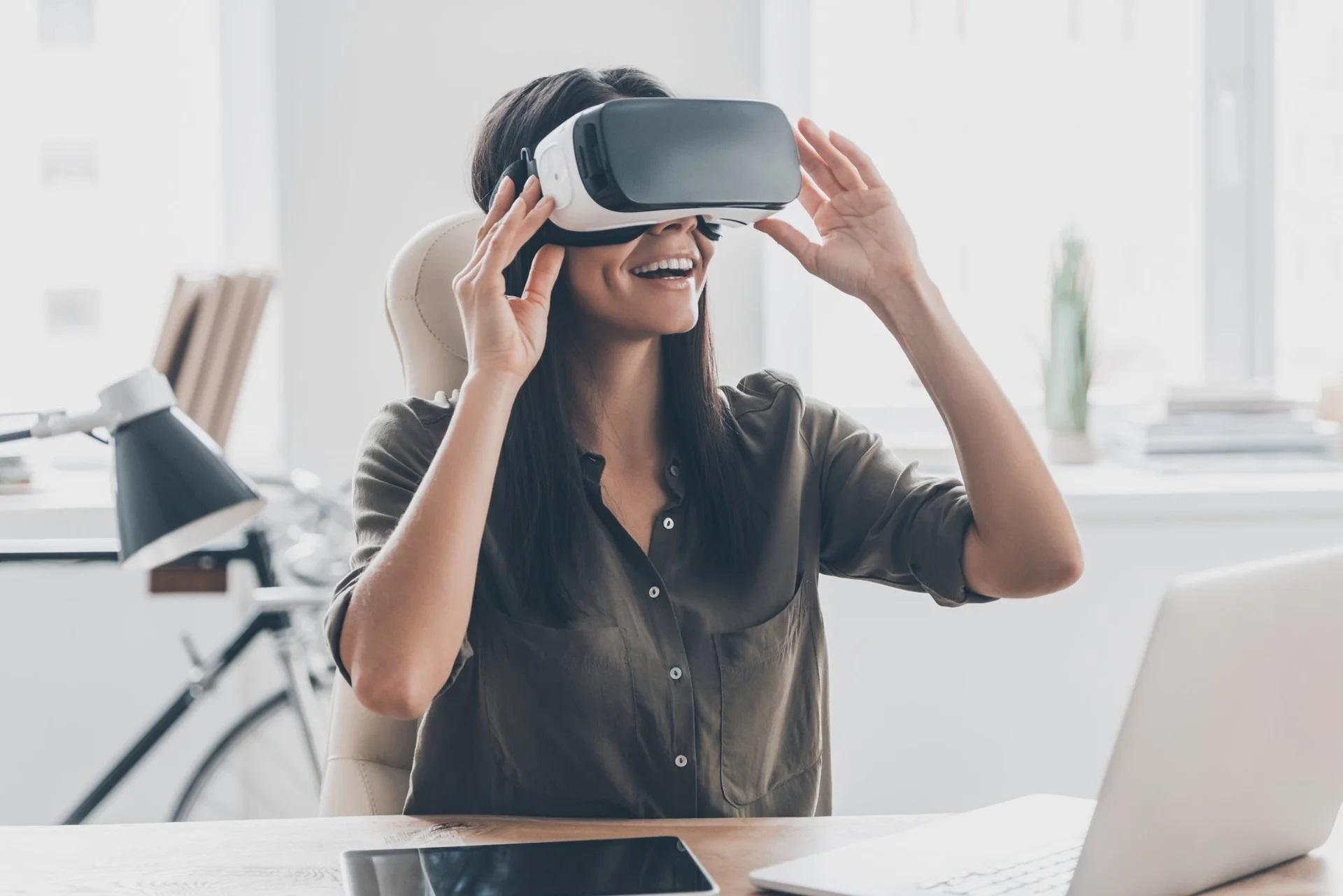
Virtual reality has become an exciting part of modern entertainment. Businesses, gaming centers, shopping malls, and family entertainment spaces are adding virtual reality attractions to create memorable experiences for visitors. However, choosing the right equipment requires careful attention. Many options may look similar at first, but their quality, performance, comfort, and durability can be very different. Understanding the main features can help buyers make a smarter choice and select equipment that provides a reliable experience.
Check the Display Quality
The display is one of the most important parts of a virtual reality system. A good display should provide clear images, strong details, and smooth movement. Low quality screens may create blurry visuals or make fast scenes difficult to follow. When comparing equipment, check the resolution, refresh rate, and viewing quality. Clear visuals can make virtual environments feel more realistic and enjoyable for different types of users.
Examine the Hardware
Strong hardware is important for smooth virtual reality performance. A quality vr machine should have suitable processing power, reliable sensors, and responsive controls. The system should react quickly when users move their heads or bodies. Delays between movement and visual response can reduce immersion and make the experience less comfortable. Buyers should review the main hardware specifications and make sure they can support the games and applications they plan to use.
Look at Build Quality
Durability is especially important for commercial entertainment spaces because equipment may be used many times every day. Check the frame, seats, cables, controllers, screens, and moving components carefully. Strong materials and solid construction can help the equipment handle regular use. A well-built system can also reduce the need for frequent repairs and replacement parts, which may help control long term operating costs.
Consider User Comfort
A virtual reality experience should be enjoyable as well as exciting. Comfortable seating, adjustable headsets, suitable controls, and enough space for movement can make a major difference. Equipment should be designed to support different users rather than being comfortable for only one body type. Buyers should also consider how easily users can enter, operate, and exit the system. Simple controls can be especially useful when many first time visitors will use the equipment.
Test Movement and Responsiveness
Motion performance is another important factor when judging quality. Racing, flying, shooting, and adventure experiences often involve quick movement. The system should respond naturally without unnecessary delays or uncomfortable shaking. If possible, test the equipment before purchasing it. Pay attention to how smoothly the seat, platform, controllers, and virtual environment work together. A short demonstration can reveal problems that may not be obvious from product specifications alone.
Review Software and Game Options
Hardware is only one part of a good virtual reality setup. The available software and game library also matter. Buyers should check whether the system supports engaging content for their target audience. Variety can help businesses attract different age groups and encourage returning customers. It is also useful to know whether software updates are available and how new games or experiences can be added in the future.
Check Safety Features
Safety should always be considered before buying virtual reality equipment. Look for secure seating, strong support systems, reliable straps, emergency controls, and stable construction. Commercial equipment should be suitable for repeated public use. Clear operating instructions can also help staff guide visitors and reduce unnecessary risks. A quality system should combine entertainment with sensible safety features.
Consider Maintenance and Support
Even high quality equipment needs regular maintenance. Before making a purchase, ask about technical support, spare parts, warranty coverage, and repair services. Reliable support can become very important if equipment develops a problem during busy business hours. Buyers should understand what is included after purchase and whether replacement components are easily available.
Compare Overall Value
Price should not be the only factor when comparing virtual reality equipment. A cheaper system may have limited durability, weaker hardware, or fewer support options. A higher quality system may provide better performance and longer service life. Buyers should compare specifications, construction, comfort, software, safety, maintenance, and support together. Looking at the complete value can make it easier to identify equipment that matches both business needs and customer expectations.
Conclusion
Identifying high quality VR equipment requires more than checking the appearance or purchase price. Display quality, hardware performance, durability, comfort, movement, software, safety, and after-sales support all deserve attention. By carefully reviewing these areas and testing equipment when possible, buyers can find a system that delivers reliable performance and enjoyable experiences. Careful research before purchasing can also help businesses create a stronger entertainment offering and achieve better long term value from their investment.

 English
 Arabic
 French
 Spanish
 Portuguese
 Deutsch
 Turkish
 Dutch
Dutch
 Russian
 Romaian
 Portuguese (Brazil)
 Greek
Greek
