


Can Mini-Me Dressing Make Coordinated Family Outfits More Appealing?
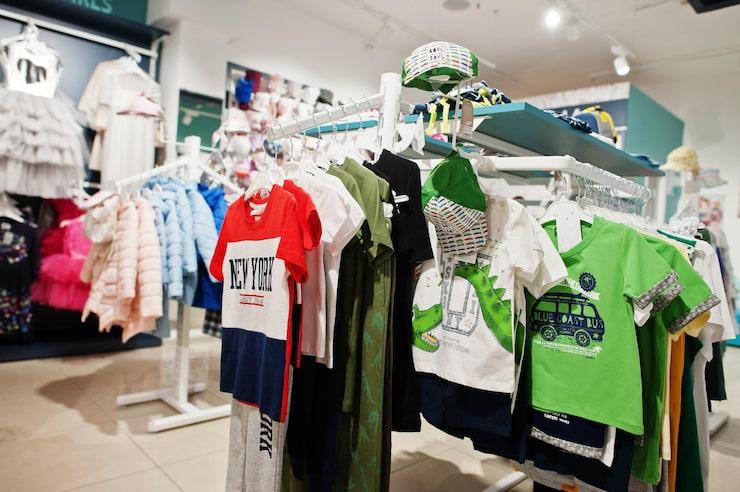
Children’s clothing in India is becoming more expressive as parents increasingly combine practical requirements with design, quality and their children’s own preferences. Comfortable fabrics and durable construction remain important, but coordinated family outfits, character-inspired clothing and more personalized styles are giving childrenswear a stronger fashion identity. At the same time, physical and digital shopping are becoming increasingly connected, allowing families to research, compare and experience clothing through multiple channels.
According to a Vyansa Intelligence report, the India childrenswear market was valued at USD 9.72 billion in 2025 and is projected to reach USD 13.21 billion by 2032, representing a 4.48% CAGR during 2026–2032.
Parents Are Becoming More Quality Conscious
Parents purchasing children's clothing increasingly consider how garments perform during everyday use. Comfort, durability, fabric quality and safe construction can matter as much as appearance, particularly for products worn regularly.
The underlying India childrenswear industry analysis identifies a shift toward more deliberate quality choices, with urban families showing interest in better-designed and more durable clothing.
For brands, this creates an opportunity to communicate practical product characteristics rather than relying exclusively on fashion-focused messaging.
Mini-Me Dressing Connects Fashion With Family Identity
Matching or coordinated clothing between parents and children is giving family fashion a more emotional dimension.
The supplied research highlights “mini-me” styling across casual, festive and everyday clothing. Social media and lifestyle influences are helping coordinated dressing become a way for families to express connection and shared identity.
These detailed childrenswear industry insights demonstrate how children's clothing can increasingly combine emotional appeal with practical purchasing considerations.
India’s Cultural Calendar Encourages Expressive Clothing
Children's wardrobes often need to accommodate different occasions. Everyday garments need to prioritize comfort and practicality, while celebrations and family events provide opportunities for more distinctive styling.
This gives manufacturers considerable scope to develop collections that move between daily wear and culturally relevant occasion clothing. Coordinated family styling can further strengthen the appeal of designs suitable for celebrations.
Rather than treating childrenswear as one uniform category, retailers can organize collections around the different situations in which Indian families actually use clothing.
Children Are Becoming Active Fashion Participants
One of the most interesting developments is the increasing influence children themselves can have over clothing purchases.
Digital exposure introduces younger consumers to colours, characters and different fashion aesthetics. The underlying research expects children's preferences to become increasingly influential, creating opportunities for expressive and personalized product design.
For an India childrenswear sector study, this changes the purchasing equation. Brands increasingly need to satisfy both the parent paying for a garment and the child who wants to wear it.
Character-Led Clothing Supports Personal Expression
Children frequently develop preferences around entertainment, characters and visual styles. Apparel provides a straightforward way for them to express those interests.
Character-driven and colourful designs can therefore complement more traditional children's clothing. However, successful products still need to satisfy parental priorities around comfort, durability and appropriate construction.
The opportunity lies in combining child-friendly creativity with the functional qualities adults expect from everyday apparel.
Safety Is Becoming a More Defined Design Priority
Children's clothing requires additional safety considerations because trims, cords, fasteners and chemicals can create risks that may not be immediately obvious.
The Bureau of Indian Standards has developed a dedicated specification for children's apparel safety covering chemical, mechanical and general safety concerns. The framework addresses areas including harmful chemicals and dyes, stitching, fasteners, small components, cords and drawstrings.
For the latest childrenswear industry analysis, this reinforces why safety needs to be considered during garment design rather than treated solely as a quality-control issue after production.
Sustainable Clothing Begins With Durability
Environmental positioning in children's clothing can involve materials, but garment longevity is equally relevant.
Children frequently outgrow clothes before those garments physically wear out. Durable fabrics, reliable stitching and well-constructed fasteners can therefore help clothing remain suitable for hand-me-downs, donation or resale.
The supplied research identifies increasing parental interest in sustainable and environmentally conscious clothing alongside higher-quality materials.
This gives brands an opportunity to connect sustainability with practical family value.
Physical Stores Still Matter for Fit and Feel
Childrenswear remains particularly dependent on physical fit. Parents often want to examine fabric, check construction and understand sizing before purchasing.
The source research emphasizes the continued importance of physical retail because it allows families to assess these characteristics directly.
For India childrenswear research, this means stores continue to provide something difficult to reproduce completely online: tactile reassurance.
Digital and Physical Shopping Are Becoming Connected
Online retail offers a different set of advantages. Families can discover collections, compare designs and browse clothing conveniently before deciding where to purchase.
The underlying research highlights movement toward an omnichannel or “phygital” approach, where online-focused retailers establish physical touchpoints and conventional shopping experiences become more connected with digital convenience.
Accurate sizing information, detailed fabric descriptions and consistent products across channels can make this experience more useful for parents.
Value Still Needs to Remain Accessible
Greater interest in quality does not remove affordability from the purchasing decision.
Parents regularly replace clothing as children move between sizes, meaning brands need to balance better materials and construction with prices families consider reasonable. The supplied study identifies this balance between affordability and quality as an important industry challenge.
Brands that communicate durability, usability and design quality clearly can make the value of individual garments easier for families to understand.
Kids’ Fashion Is Becoming a Shared Decision
India's childrenswear landscape increasingly reflects the priorities of two audiences.
Parents want comfortable, safe, durable and appropriately priced garments. Children, meanwhile, are gaining greater influence over colours, characters and designs. Mini-me styling adds another dimension by turning clothing into a shared expression of family identity.
For manufacturers and retailers, the opportunity lies in bringing these priorities together. Child-friendly creativity, dependable construction, responsible materials and convenient omnichannel shopping can create clothing that appeals to young wearers while satisfying the practical expectations of their parents.

 Arabic
 French
 Spanish
 Portuguese
 Deutsch
 Turkish
 Dutch
 Italiano
 Russian
 Romaian
 Portuguese (Brazil)
 Greek
